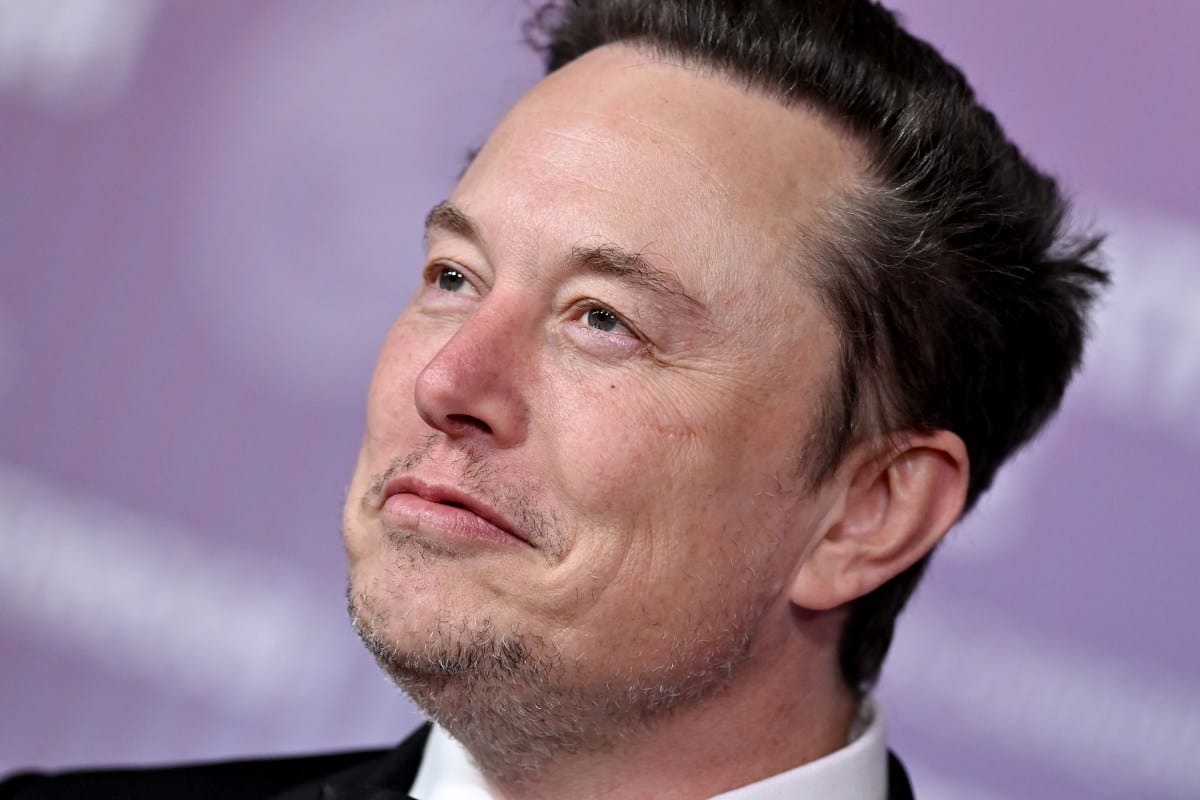
Elon Musk is one of the richest people in the world. His total wealth is close to $700 billion. That number is hard for most people to even imagine. It is more money than many countries make in a year. Yet, despite this massive fortune, Musk is now asking for as much as $134 billion in a lawsuit against OpenAI and Microsoft.
At first glance, this sounds confusing. Why would someone with so much money ask for even more? Why is he taking legal action against a company he helped create? And what does this lawsuit really mean for OpenAI, for Microsoft, and for the future of artificial intelligence?
To understand this, we need to go back to the beginning.
How OpenAI Started and Musk’s Role
OpenAI was founded in 2015. At that time, it was created as a nonprofit organization. The main goal was simple. It was meant to build artificial intelligence that would benefit all of humanity, not just make money for a few companies. Elon Musk was one of the co founders. He donated around $38 million to help start the company. That was a large amount of money, but for Musk, it was a small part of his wealth.
Musk also gave more than money. He shared ideas, helped with strategy, and used his reputation to attract top talent. His name alone brought attention and trust. Many people believed in OpenAI partly because Musk was involved.
Later, Musk left OpenAI in 2018. After that, OpenAI changed its structure. It moved from being fully nonprofit to a company that could make profits. It also formed a close partnership with Microsoft, which invested billions and now owns about 27 percent of OpenAI.
This shift is at the heart of the lawsuit.
Why Musk Is Suing OpenAI and Microsoft
Musk claims that OpenAI betrayed its original mission. He says the company was meant to stay nonprofit and focus on helping humanity, not on building a massive business. In his view, OpenAI became what it promised not to become. He believes that the company and Microsoft gained huge financial benefits by moving away from that mission.
Now he is asking for damages. According to court filings, he wants between $79 billion and $134 billion. That is one of the largest damage claims in history.
An expert witness named C. Paul Wazzan calculated this amount. Wazzan is a financial economist who often works on large legal cases. He looked at how much OpenAI is worth today and how much value Musk’s early contributions added to the company.
OpenAI is now valued at around $500 billion. Wazzan argues that Musk deserves a big share of that because of his early money and support. He says OpenAI gained between $65.5 billion and $109.4 billion from Musk’s involvement. He also says Microsoft gained between $13.3 billion and $25.1 billion.
When you add those numbers together, you reach the range Musk is now demanding.
The Numbers Sound Unreal
Think about this for a moment. Musk put in about $38 million in the beginning. Now he is asking for over $100 billion. That would be a return of more than 3,000 times his original investment.
For most investors, even a ten times return is considered amazing. A hundred times return is rare. A three thousand times return is almost unheard of. This is why this case has shocked many people.
But Musk’s legal team says this is normal for early startup investors. They argue that when someone helps create a company that becomes huge, the rewards can be massive. In their view, Musk is simply asking for what he is owed.
Why People Say This Is Not About Money
Here is where things become interesting. Musk already has around $700 billion. Even if he wins $134 billion, it would not change his life in a meaningful way. He already owns private jets, multiple companies, and vast power and influence.
So why fight so hard for this?
Many observers believe this lawsuit is not really about money. It is about control, pride, and principles. Musk has been very vocal about how AI should be developed. He often warns about its dangers. He also runs his own AI company now, called xAI, which competes with OpenAI.
From OpenAI’s point of view, the lawsuit feels like an attack. The company has called Musk’s demand unserious and part of what it describes as a campaign of harassment. OpenAI has even warned investors that Musk might make bold and attention grabbing claims as the trial approaches.
This shows that the conflict is personal and strategic, not just financial.
Microsoft’s Position
Microsoft is also named in the lawsuit because of its deep partnership with OpenAI. Microsoft has invested billions and provides the cloud systems that power many of OpenAI’s tools.
Microsoft has said there is no proof it helped OpenAI break any rules or betray any mission. Its lawyers argue that Musk’s claims are unsupported and exaggerated.
The company also challenged the expert’s calculations, saying they are unreliable and could mislead a jury.
What the Trial Could Mean
The case is expected to go to trial in April in Oakland, California. A jury will decide whether OpenAI and Microsoft are liable and whether Musk is entitled to damages.
Even if Musk does not win the full amount, the trial itself will expose many details about how OpenAI operates. It will show how AI companies balance ethics, profits, and power.
This case could also shape how future AI startups are formed. Founders may become more careful about promises, ownership, and mission statements.
Why This Matters to the Public
This lawsuit is not just about Elon Musk or OpenAI. It is about the future of artificial intelligence. It raises simple but important questions.
- Who controls AI
- Who profits from it
- Who decides its purpose
When a nonprofit becomes one of the most valuable companies in the world, people start to question whether its original promises still matter.
Musk is using the legal system to challenge that transformation. Whether people agree with him or not, his actions are forcing a global conversation.
The Bottom Line
This lawsuit shows how powerful AI has become. It is no longer just technology. It is money, politics, and influence mixed together.
Musk’s demand of up to $134 billion may sound extreme, especially when compared to his $700 billion fortune. But it highlights how valuable OpenAI has become and how high the stakes are in the AI race.
This is not just a court case. It is a battle over history, ownership, and the future direction of one of the most important technologies ever created.
And no matter how it ends, it will shape how AI companies are built, funded, and trusted for years to come.
Also Read:OpenAI Invests in Sam Altman’s Brain Computer Interface Startup Merge Labs
