
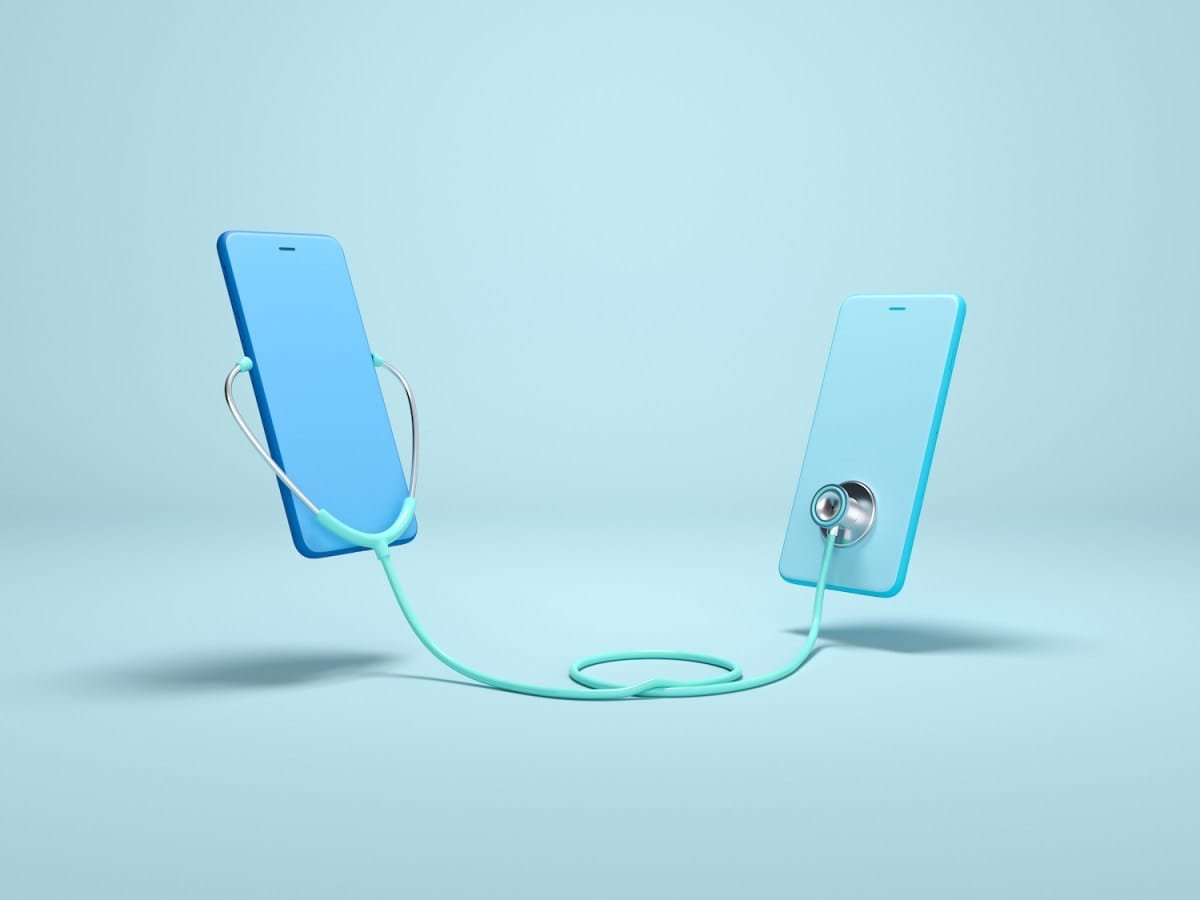
AI is now part of daily life. People use it to write messages, plan trips, study, and even ask health questions. Many patients now talk to AI chatbots when they feel sick or confused about symptoms. This change is happening fast. Doctors see the value of AI in healthcare, but many of them are careful. They believe AI should help doctors, not replace them, and they are not fully sure that chatbots are the best way to use it.
This topic is important because health is serious. One wrong answer can cause fear, panic, or even harm. That is why doctors are saying yes to AI in healthcare, but not always yes to AI as a medical chatbot.
Let us break this down in simple words.
Why people use AI for health questions
People use AI because it is fast and easy. You do not need to book an appointment. You do not need to wait in line. You can type your question and get a reply in seconds.
Many people already search Google for symptoms. Now, instead of reading many pages, they talk to a chatbot. It feels more personal. It feels like talking to a doctor, even though it is not a doctor.
This is why tools like ChatGPT Health are growing. Millions of people already ask AI about health every week. This shows a real need. People want quick answers and simple advice.
Doctors understand this need. They know patients are looking for help. They are not shocked that AI is being used. In fact, many doctors support it, but only in the right way.
The danger of wrong information
One of the biggest problems with AI chatbots is wrong information. AI can sound very confident even when it is wrong. In health, this is very dangerous.
A doctor shared a story about a patient who came with printed advice from ChatGPT. The AI said a medicine had a high chance of causing a serious problem. But that number came from a small study that did not apply to the patient. The AI mixed things up.
This shows a big risk. AI does not always know what fits a person. It does not truly understand medical history. It only guesses from data.
Doctors worry that patients may trust AI too much. They may panic. They may stop taking needed medicine. They may delay seeing a real doctor.
That is why many doctors say AI chatbots should not be the main tool for health advice.
Privacy is another big concern
Health data is private. It is sensitive. Doctors and hospitals follow strict rules to protect it. In the US, this is called HIPAA. Other countries have similar laws.
When people upload medical records to AI tools, there is a risk. Not all tech companies follow the same health privacy rules as hospitals. This makes doctors nervous.
Patients may not know where their data goes. They may not know who can see it. They may not know how long it is stored.
Doctors believe that if AI is used in healthcare, privacy must come first. Without strong data protection, trust is lost.
Doctors want AI to help behind the scenes
Many doctors do not want AI to talk directly to patients as a chatbot. Instead, they want AI to help them with their work.
Doctors spend a lot of time on paperwork. They write notes. They fill forms. They deal with insurance. They search through medical records. This takes hours every day.
Some studies show that doctors spend almost half their time on admin work, not on patients.
This is where AI can shine.
AI can:
- Summarize patient records
- Find key details fast
- Help write reports
- Handle insurance forms
- Reduce repeated typing
This means doctors get more time to talk to patients. They get less stress. Patients get better care.
This is why many doctors support tools like ChatEHR. These tools sit inside hospital systems. They help doctors work faster and better.
The problem of long wait times
In many countries, seeing a doctor takes weeks or months. This is a real problem. People feel stuck. They feel ignored.
Some doctors say that if the choice is:
Wait six months for a doctor
Or talk to an AI now
Many people will choose AI.
This is not ideal, but it shows how broken the system is. AI is filling a gap, not because it is perfect, but because access to care is hard.
Doctors say AI should reduce wait times by helping doctors work faster, not replace doctors with chatbots.
AI is a tool, not a doctor
Doctors repeat this point again and again. AI is a tool. It is not a human. It has no judgment. It has no responsibility. It does not feel fear or care.
A doctor looks at your face. A doctor asks deeper questions. A doctor understands context. AI does not truly do these things.
AI works on patterns, not understanding.
That is why doctors are careful. They want AI to support medical decisions, not make them.
The business side of AI worries doctors
Doctors work to protect patients. Tech companies work to make profit. This creates tension.
Even if a company has good goals, it must answer to investors. This can lead to rushed products or weak safety rules.
Doctors believe that healthcare must be slow and careful. Tech moves fast. This clash makes them nervous.
They want strong rules. They want clear safety checks. They want limits on what AI can and cannot do.
Where AI really fits in healthcare
Doctors mostly agree on these points:
AI is useful when:
- It helps doctors save time
- It reduces paperwork
- It improves record keeping
- It supports diagnosis, not replaces it
- It stays inside medical systems
AI is risky when:
- It gives medical advice alone
- It speaks directly to patients without limits
- It uses unclear data sources
- It handles private data poorly
This shows the line doctors are drawing. They are not against AI. They just want it used safely.
What patients should know
If you use AI for health questions, remember:
- It is not a doctor
- It can be wrong
- It cannot see you
- It cannot test you
- It cannot feel urgency
Use it for:
- Basic understanding
- Simple explanations
- Learning about terms
Do not use it for:
- Final diagnosis
- Medicine choices
- Emergency advice
Always confirm with a real doctor.
The future of AI in healthcare
AI will not disappear from healthcare. It will grow. It will become smarter. It will become more common.
But doctors want a future where:
- AI works quietly in the background
- Doctors stay in charge
- Patients stay safe
- Data stays private
This is a balanced future.
The Bottom Line
Doctors think AI has a place in healthcare, but they are careful about chatbots. They see too many risks when AI talks directly to patients. Wrong advice, fear, data leaks, and over trust are real dangers.
They prefer AI that helps doctors do their job better. They want AI that reduces paperwork and saves time. They want AI that improves care without replacing human judgment.
AI should be the assistant, not the doctor.
This is the simple truth.
Also Read:Plaud launches a new AI pin and a desktop meeting notetaker
