
Most people think software updates are boring. A pop up appears, you tap update later, and you move on. But sometimes an update is not boring at all. Sometimes it is urgent. This week, Google and Apple both released emergency security updates, and the reason is serious.
Both companies said hackers were already using hidden bugs to attack people. These bugs are called zero day flaws. They are dangerous because the companies did not know about them before hackers started using them.
This post explains what happened, why it matters, and what regular users should do, using very simple words.
What is a zero day attack
A zero day attack happens when hackers find a bug in software that no one else knows about. The company that made the software has zero days to fix it before damage starts. That is where the name comes from.
Hackers like zero day bugs because there is no defence at first. No update exists. No warning is sent out. People keep using their phones or computers without knowing anything is wrong.
When companies find out about a zero day attack, they move very fast. That is exactly what Google and Apple just did.
What Google found
Google released an emergency update for its Chrome browser. Chrome is used by billions of people around the world. Google said one of the bugs was already being used by hackers before the update was ready.
At first, Google did not share many details. That is unusual, but it often means the situation is serious and still under investigation.
Later, Google confirmed that the bug was discovered by Apple’s security team and Google’s own Threat Analysis Group. This team usually tracks government hackers and spyware groups, not normal cyber criminals.
That detail matters a lot. It suggests this was not a random attack. It was likely a targeted operation.
What Apple found
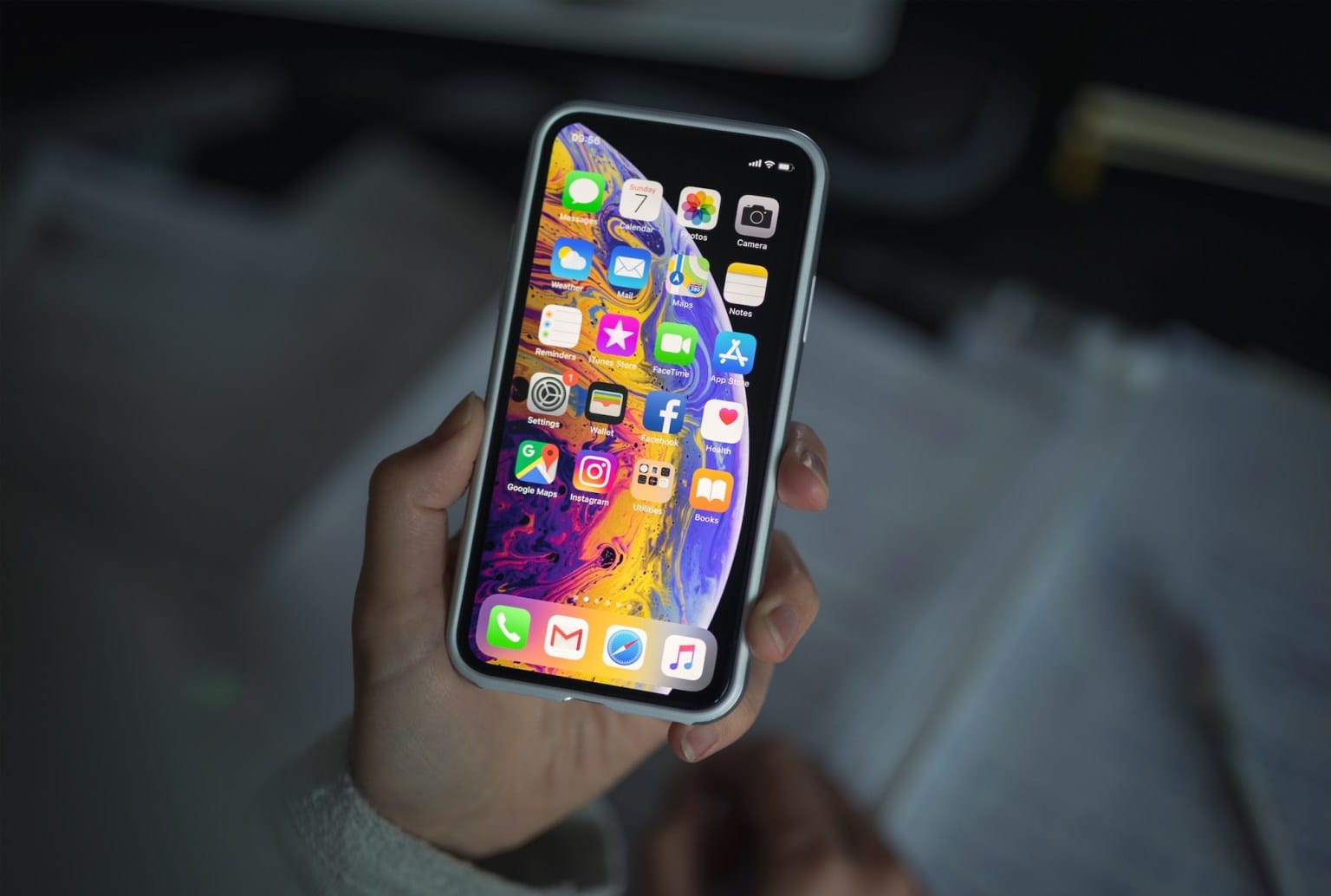
At the same time, Apple released security updates for many of its products. These included iPhones, iPads, Macs, Safari, Apple Watches, Apple TV, and Vision Pro. Apple said it fixed two serious bugs. According to Apple, these bugs may have been used in an extremely sophisticated attack against specific targeted individuals.
Apple uses this kind of language very carefully. When Apple says this, it usually means real people were attacked using advanced tools.
These attacks often target journalists, activists, lawyers, or people connected to government work. They are not mass attacks aimed at everyone.
Why these updates matter
This situation matters for several reasons.
First, both Google and Apple confirmed that the bugs were already being exploited. This was not a theory. It was happening.
Second, the involvement of security teams that track government backed hackers suggests a high level of skill. These attackers are patient, well funded, and hard to stop.
Third, these attacks were likely targeted. That means a small group of people faced serious risk without knowing it.
Even if you were not a target, the same bugs could be reused later against others if left unpatched.
What devices are affected
For Google, the main risk was in the Chrome browser. Chrome runs on Windows, Mac, Linux, and mobile devices. Updating Chrome is critical.
For Apple, the updates cover a wide range of devices. This includes iPhones, iPads, Macs, and even Apple Watches.
If you use any Apple device and have not updated recently, you should check now.
Why companies share few details
Some people ask why Apple and Google do not explain exactly how the attacks worked. The reason is simple.If companies share too much information too early, attackers can learn from it. They can change their tools and keep attacking others.By staying quiet at first, companies protect users while their teams continue investigating.
This is common during active security incidents.
What users should do right now
The most important step is simple.
Update your devices. If you use Chrome, open the browser settings and check for updates. Restart the browser after updating. If you use an iPhone or iPad, go to settings, software update, and install the latest version. For Mac users, open system settings and update macOS and Safari.
Do not delay these updates. These are not feature updates. They are safety fixes.
Why this keeps happening
Zero day attacks are becoming more common. Software is complex, and no system is perfect. Attackers look for small mistakes and hidden gaps.At the same time, phones and browsers hold a lot of personal data. Messages, photos, location history, and private work all live on these devices.That makes them valuable targets.
Big companies invest heavily in security, but attackers keep pushing too. It is a constant race.
What this means for the future
This event shows that even the biggest tech companies face serious threats. It also shows that security teams are working closely across companies when needed.Apple and Google do not often talk about joint discoveries, but this time they did. That tells us the situation was important.For users, the lesson is simple. Updates are not optional. They are a key part of staying safe online.
Ignoring updates is like leaving your door unlocked because locking it feels annoying.
The Bottom Line
The emergency security updates from Google and Apple are a reminder that digital safety matters. Zero day attacks are real, and they affect real people.Most users will never notice these attacks, and that is a good thing. It means the updates worked.Take a few minutes today to update your devices. It is one of the easiest ways to protect yourself.
In a world full of smart phones and connected apps, staying safe starts with clicking updates now.
